



DAVID REILAND NAMED NEXT ARTISTIC DIRECTOR OF THE ORQUESTA FILARMÓNICA DE LA CIUDAD DE MÉXICO, BEGINNING IN 2027
SC/CPDC/393-26
-
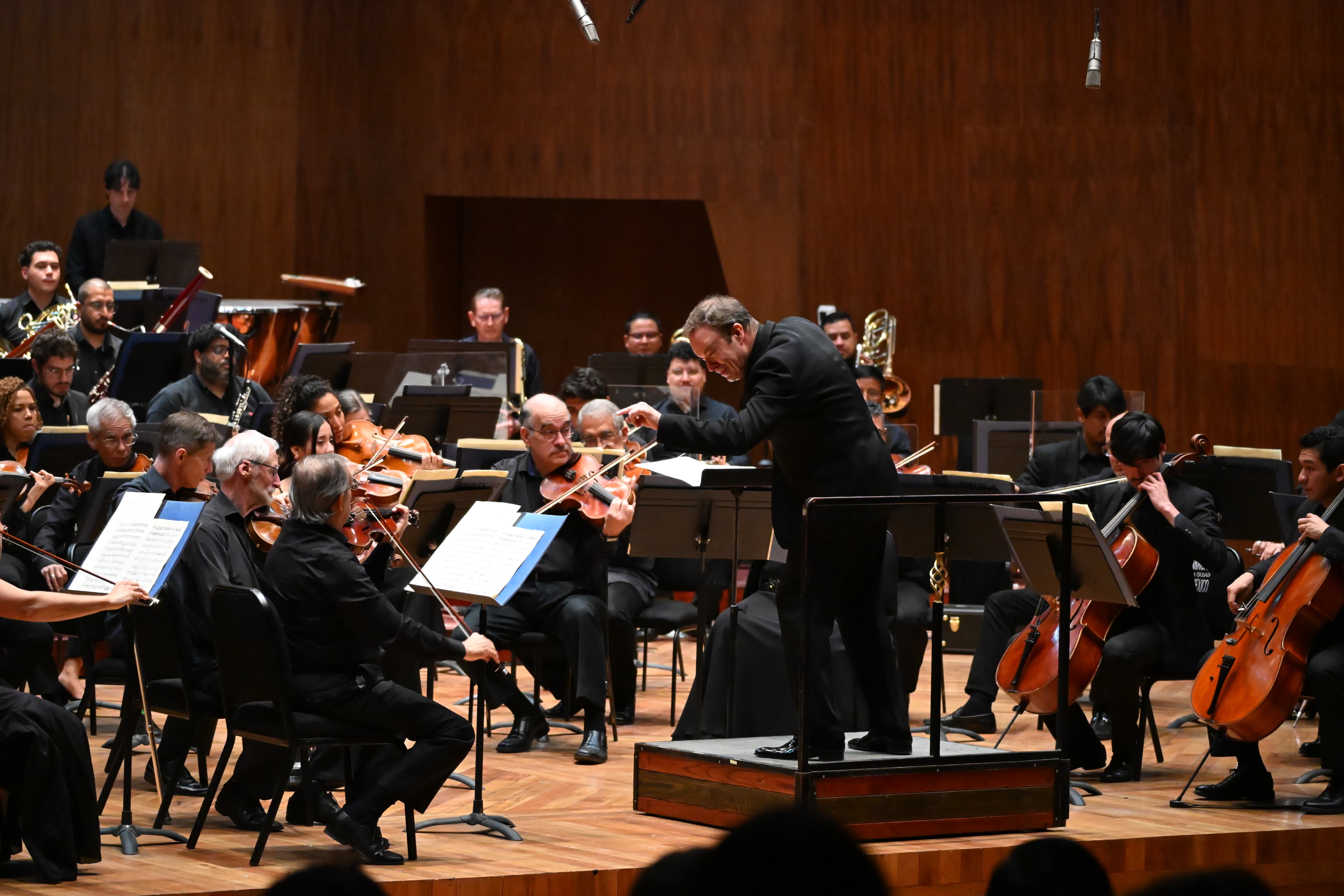
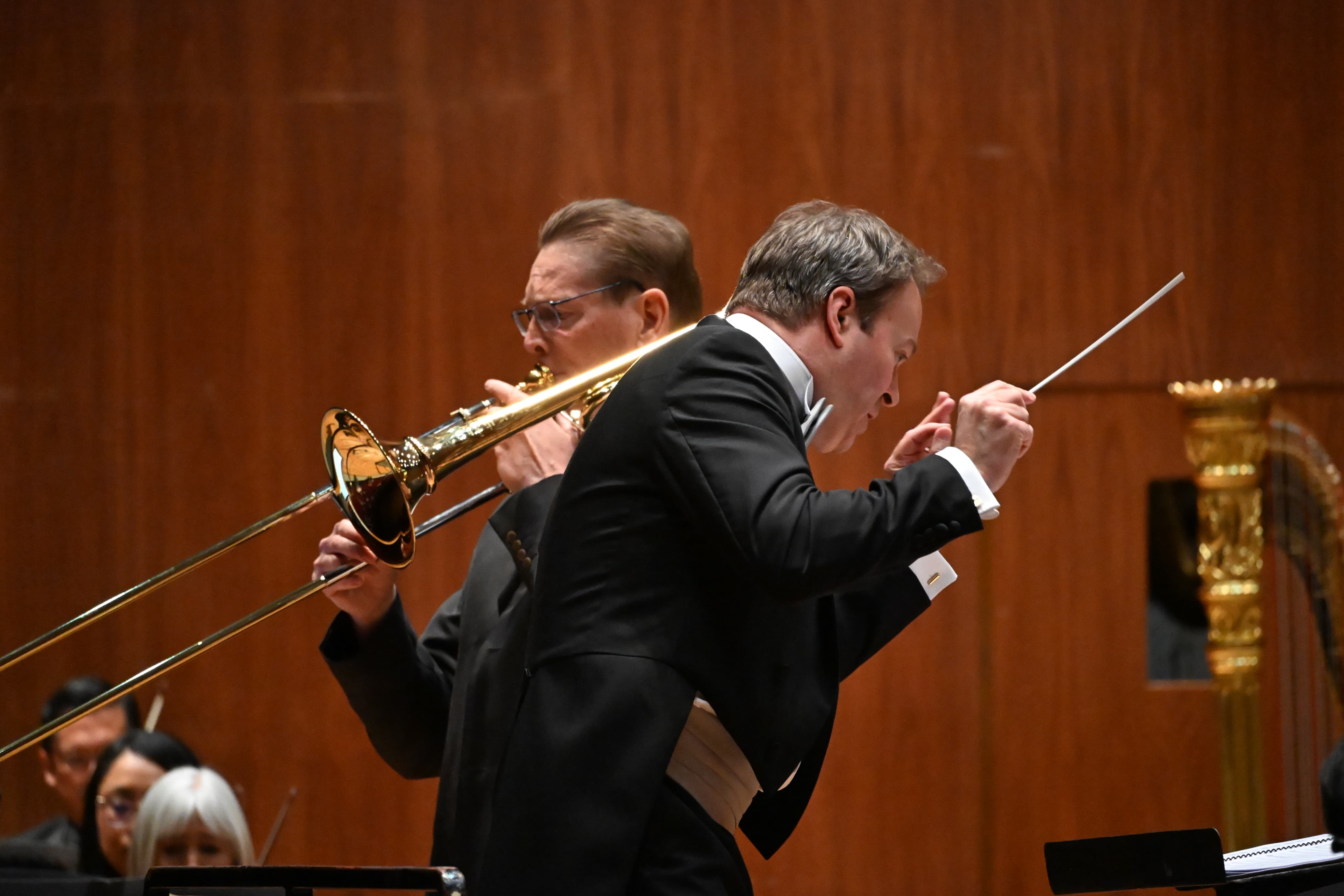
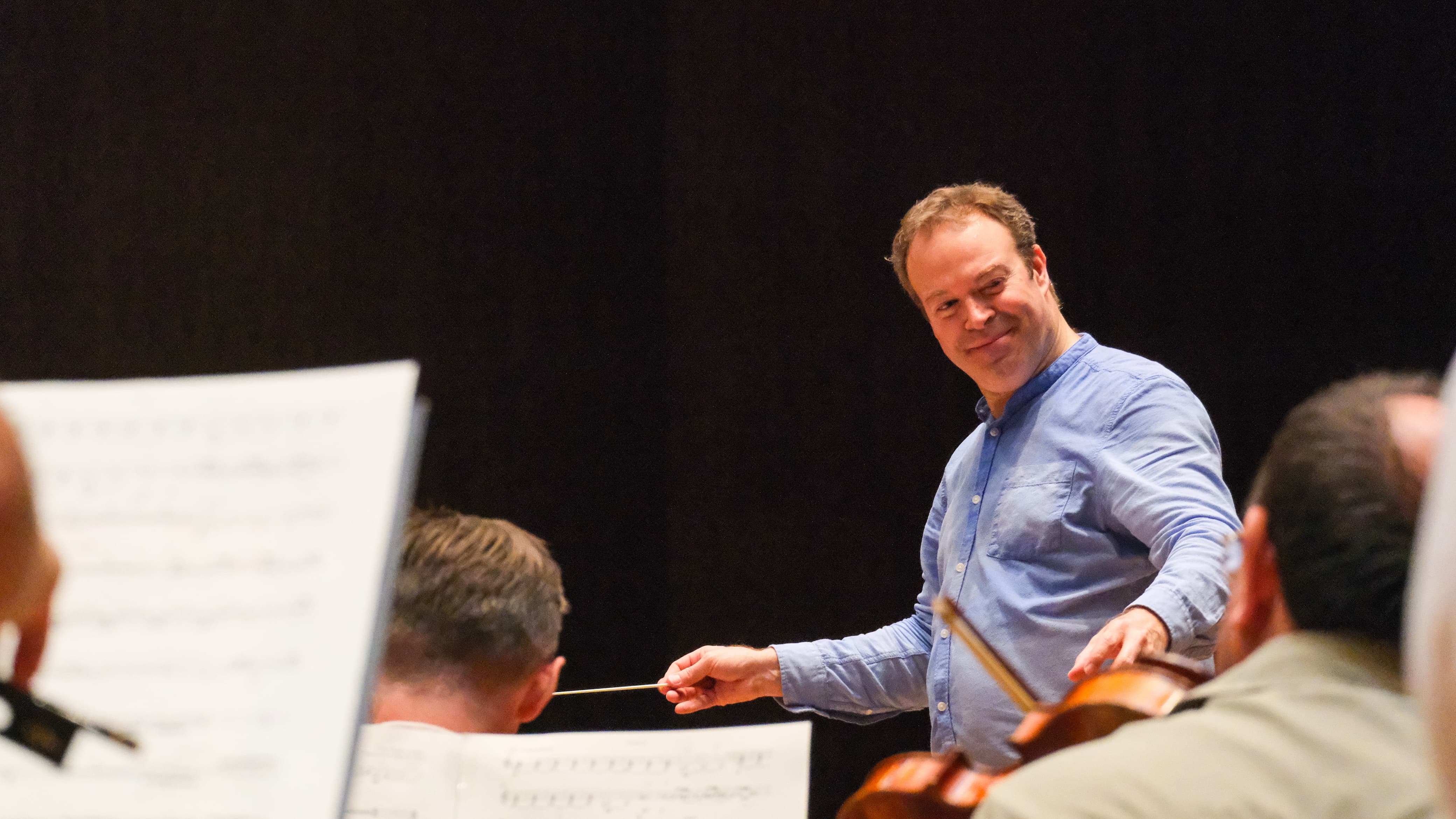
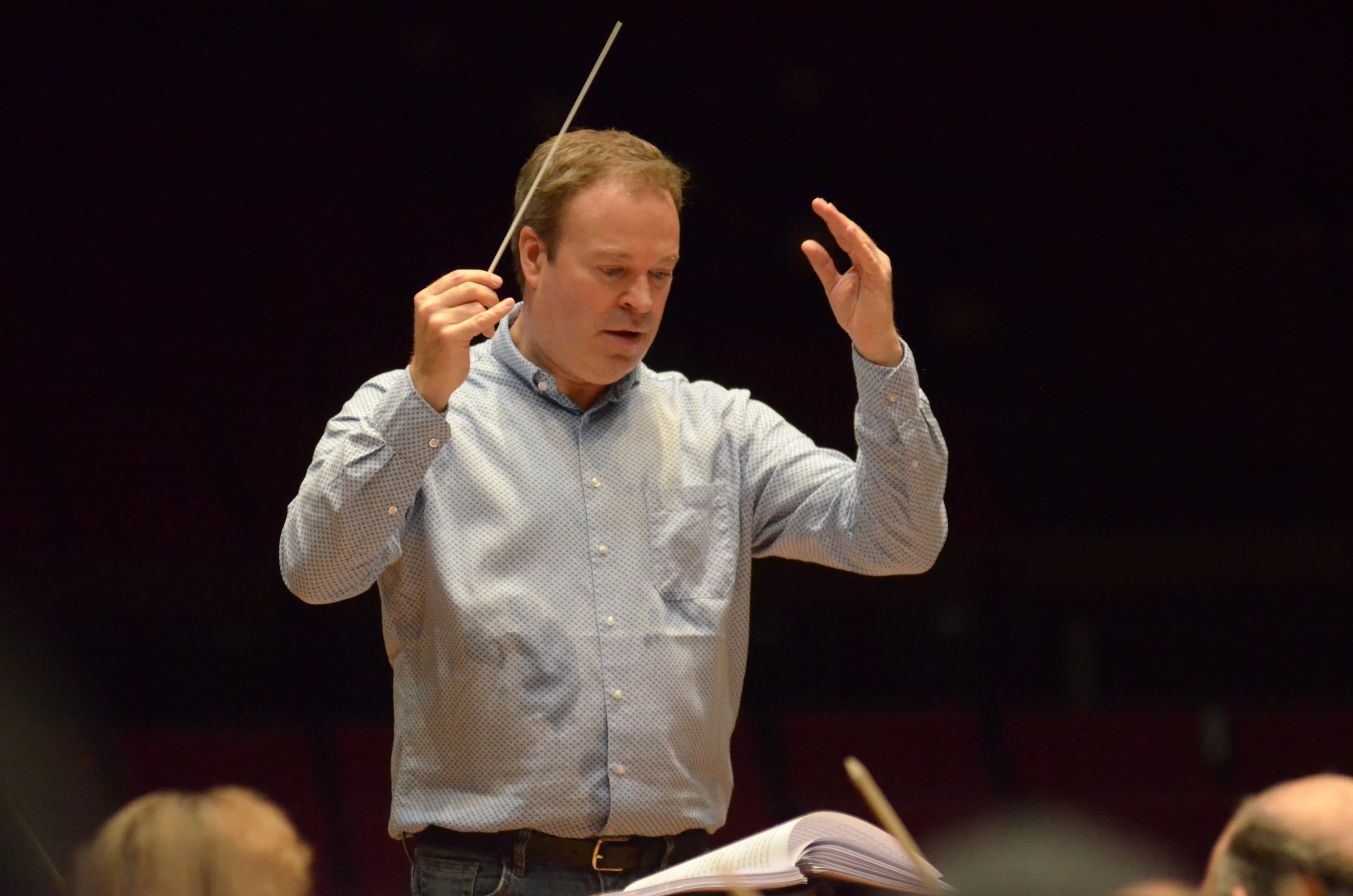
Belgian-born conductor David Reiland, currently Artistic and Music Director of the Orchestre National de Metz Grand Est, and, from 2021 to 2025, Music Director of the Korean National Symphony Orchestra, has guest-conducted many of the world’s leading orchestras, from the Gewandhausorchester Leipzig to the Tokyo Symphony Orchestra, and has been named Knight of the Order of Arts and Letters by France in recognition of his artistic achievement.
-
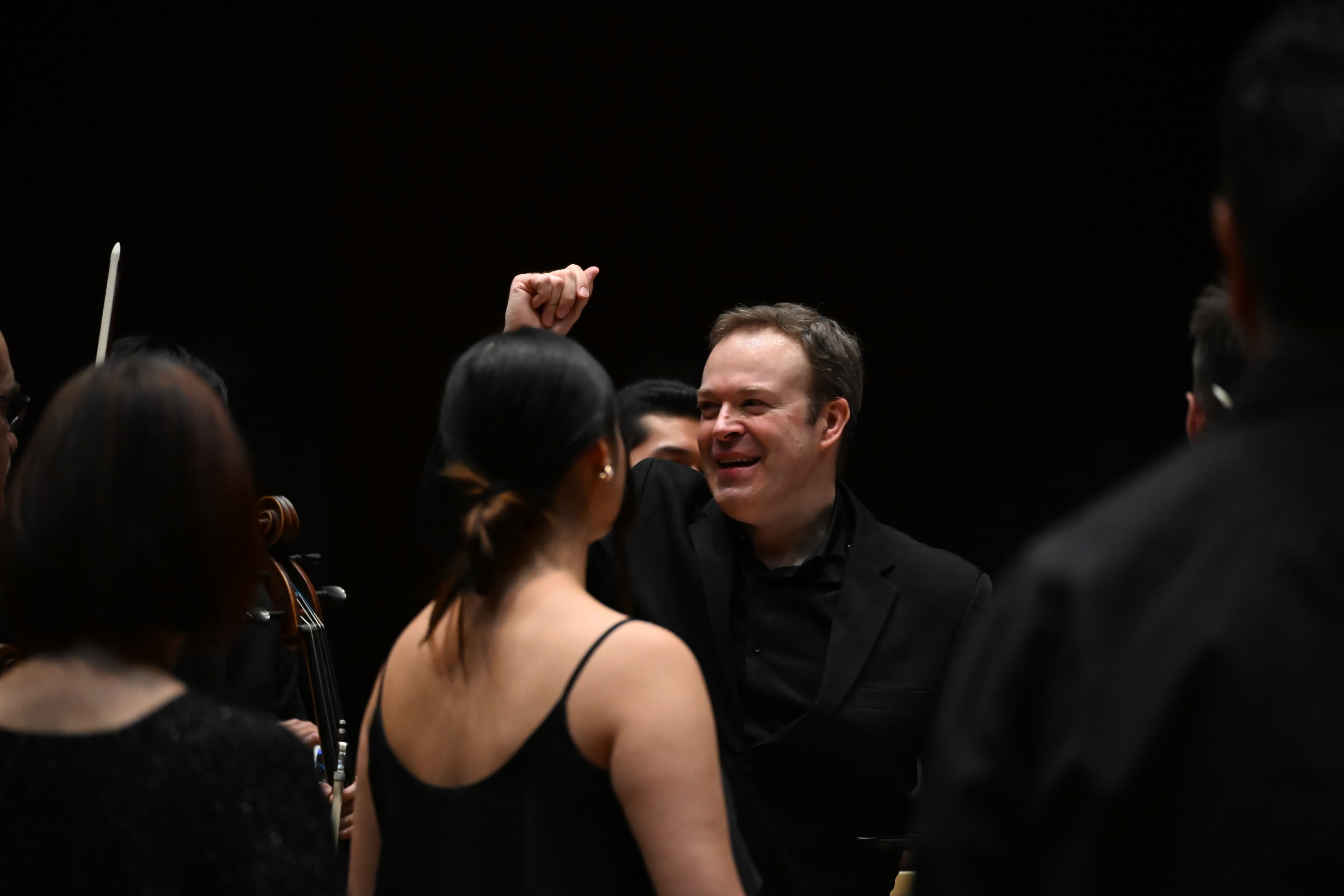
His vision for this new chapter of the Orquesta Filarmónica de la Ciudad de México centers on attracting younger audiences, strengthening the presence of women in its programming, building closer human connections between the orchestra, its musicians and the public, and bringing the people of Mexico City closer to their orchestra.
The Secretaría de Cultura de la Ciudad de México proudly announces that, after careful consideration, Mr. David Reiland has been elected the next artistic director of the Orquesta Filarmónica de la Ciudad de México starting in 2027, ending the successful cycle of Scott Yoo, who held this title since 2016.
Born in Belgium in 1979, David Reiland studied at the Royal Conservatory of Brussels, the Alfred Cortot School of Music in Paris and the Mozarteum University in Salzburg. He has served as Artistic and Music Director of the Orchestre National de Metz Grand Est since 2018, and from 2021 to 2025 led the Korean National Symphony Orchestra. He was also Principal Guest Conductor of the Sinfonietta de Lausanne and Artistic and Music Director of the Orchestre de Chambre du Luxembourg. He holds, in addition, the titles of Schumann Guest Conductor of the Düsseldorfer Symphoniker and Professor of Orchestral Conducting at the Conservatoire Royal de Liège. He has been named Knight of the Order of Arts and Letters in 2024 by the French Republic.
Equally devoted to rediscovering forgotten composers and to championing the music of our time, he has conducted the world premieres of nearly fifty works, among them compositions by Toshio Hosokawa and Georges Aperghis. His dedication to nurturing young musical talent runs just as deep, embodied in the international conducting masterclasses he founded in both Metz and Seoul.
“I arrive in this city as your new artistic director, filled with profound admiration and affection for this country, its culture and its people. Mexico carries a warmth and an emotional sincerity that we have too often lost in Europe, and I find that truly inspiring. Music is the shortest path between two human hearts, and here a concert becomes a genuine celebration — the Mexican public celebrates its artists, from the moment they step onto the stage, with a rare and precious intensity. Music is emotion itself, and I am convinced that through music, through art, we come to understand our own. My message to every citizen of this city is simple: discover your orchestra. It is yours, it belongs to your city, and it deserves a place in your hearts and in your life”, he told the public.
For this new chapter of the Orquesta Filarmónica de la Ciudad de México, Reiland envisions an orchestra that draws in younger audiences, gives greater presence to women in its programming, forges deeper human bonds between the orchestra, its musicians and the public, and pursues projects that bring the people of Mexico City closer to their orchestra.
“The Mexico Phil is the sound of this city, and it should belong to the everyday life of every Mexican, that is what I intend to build. I want people to know the faces of our musicians too, because when we forge these truly human relationships between the audience and the orchestra, people come to celebrate far more than music alone. I would like this orchestra to be present in every single one of the alcaldías. Today, an orchestra is far more than music, it is a remarkable instrument for society, one through which we can address so many other questions: inclusion, disability, equality, the lives of our children. Where communication breaks down, where there is violence, music still holds that power”, he said during an interview.
In the same spirit, the incoming artistic director emphasized the importance of getting to know the audience first-hand in order to understand its desires and needs, helping to shape creative projects that engage people of every age and background, while adapting the orchestra’s programs and formats to different contexts and environments.
“Everywhere in the world, orchestras share the same ambition: to reach new audiences, younger listeners, new social groups, people who have never felt that an orchestra was made for them. And today this is entirely possible — we have the technology to achieve it. As part of my artistic project, I have proposed developing an accessible application that will allow everybody to interact and respond in real time during our concerts”, he added.
Turning to the inclusion of women in the Orquesta Filarmónica de la Ciudad de México’s programming, David Reiland explained that his project aims to make the presence of women conductors, and the performance of works by women composers simply normal, not confined to our own era, but drawn from every period. He pointed to his own recording, Poétesses Symphoniques: New Light on French Romantic Women Composers, released in 2023, which brings together works by major nineteenth-century women composers, among them Mel Bonis, Lili and Nadia Boulanger, Marthe Bracquemond, Cécile Chaminade and Hedwige Chrétien.
“I am convinced that we sometimes perform works that are not the most compelling, simply because they carry a famous name at the top of the score. At the same time, there are extraordinary works we overlook for no better reason than that their composers were women, or that they came from parts of the world the symphonic tradition has too long and unjustly left in the shadows - Latin America among them. I believe we should judge music first and foremost on its artistic merit, rather than simply following established traditions and familiar names.
His commitment to the next generation of musicians extends well beyond the concert hall. Reiland is the founder and director of two international conducting masterclasses: the “Gabriel Pierné” International Conducting Masterclass in Metz and the “International Conducting Workshop” of the Korean National Symphony Orchestra in Seoul. Both attract each year applications from several hundred young conductors from around the world.
For emerging talents, such platforms are rare and precious: few opportunities anywhere allow a young conductor to work directly with a professional orchestra, to receive close mentorship and to gain the kind of hands-on experience no classroom can offer. Reiland sees in Mexico City the potential for a similar initiative in the years ahead, alongside a broader range of educational and social programs that place music at the service of the community. Initiatives through which the orchestra can open its rehearsal rooms and its stage to students, young musicians and citizens of every background.
“This also shapes how I think about the role of the orchestra in society” mentions Reiland. “The stage is a mirror of society, and it matters that audiences experience a broad and diverse musical world - including music by women and from traditions that have too rarely found their place in the standard repertoire. Audiences should also see it as entirely natural for the orchestra to be conducted by brilliant women. Nor should we forget that there is a wealth of extraordinary music, both historical and contemporary, still waiting to be discovered”.
I want to set a standard in which every season brings audiences remarkable conductors and composers. I pursued exactly this approach with my orchestra in France, which is now the leading orchestra in the country in terms of the presence of women and outstanding composers who have been overlooked in its programming and on stage - and I am proud of that.
“I am truly excited to discover so many Mexican works and composers. In Europe, we of course know Huapango, and we know Márquez and Revueltas. I have conducted a number of Revueltas’ works here in Metz, and audiences love them, above all Sensemayá. We once paired that piece with The Rite of Spring by Stravinsky, and it was an extraordinary concert. This kind of dialogue between Mexico and Europe continues to inspire me, and I already have a long list of works and composers we will discover together”, he concluded.
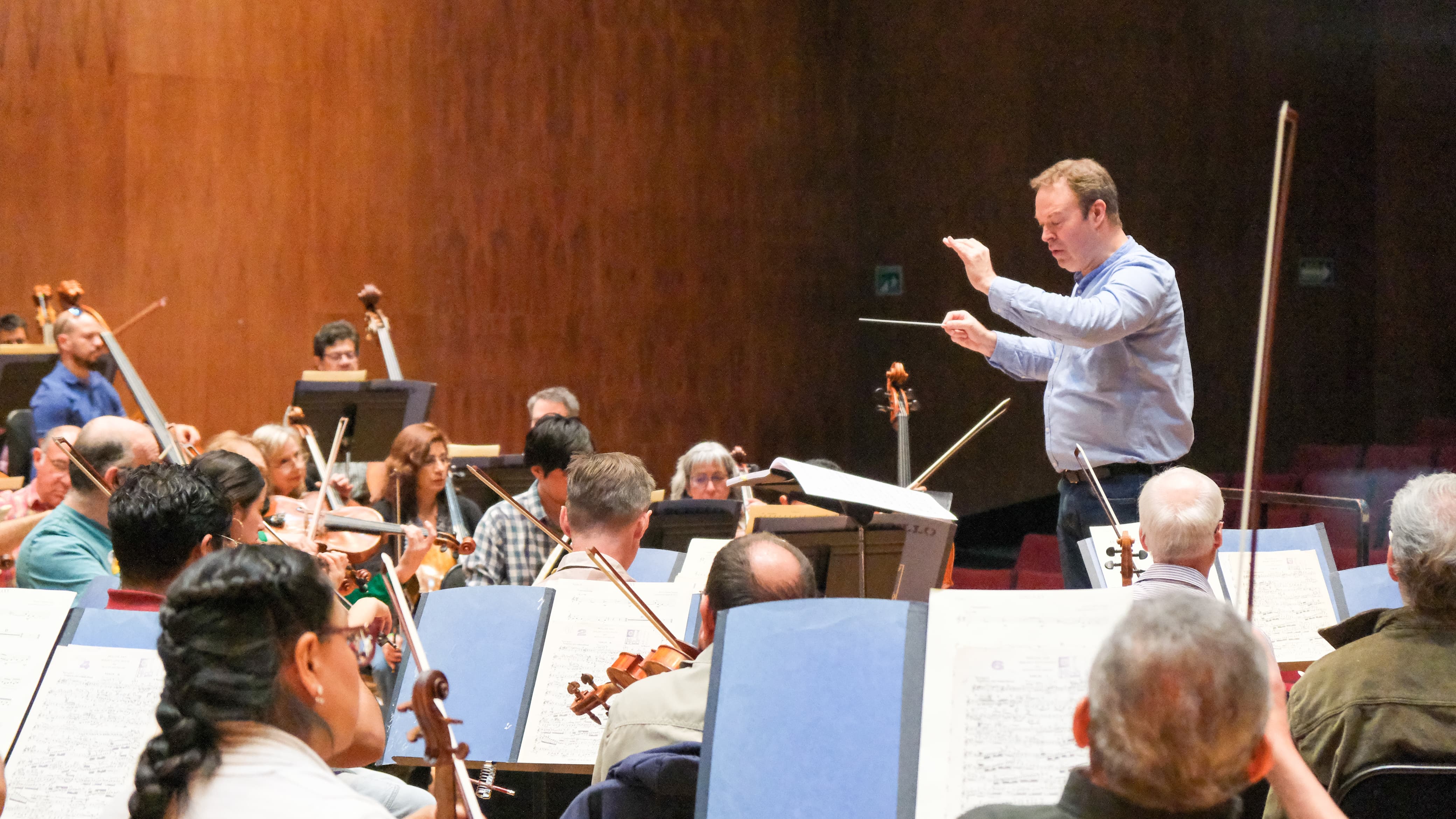
Finally, regarding his work with the OFCM, Reiland proposed establishing an artistic committee to gain a detailed understanding of the orchestra’s needs and challenges, both as a whole and within its individual sections. He also emphasized the importance of working closely with each musician and with the different instrument groups. Understanding how each part of the orchestra works, listening to its perspectives and building trust. This would, in his view, create stronger collaboration and a greater sense of cohesion within the Orchestra, ultimately helping the orchestra to achieve greater balance, clarity and confidence in its musical expression.
This new chapter for the Orquesta Filarmónica de la Ciudad de México under David Reiland begins in 2027, offering residents from every corner of the city the opportunity to discover the orchestra and immerse themselves in the fantastic world of symphonic music. Founded in 1978 by the now-defunct Department of the Federal District, the OFCM remains one of the most important orchestras in Mexico and in Latin America.
-000-

